
UK Card Shows & Events: Where Collectors Actually Meet
UK card shows explained: how the circuit works, what to expect at your first event, haggling etiquette and how to spot good deals. Meet the hobby.

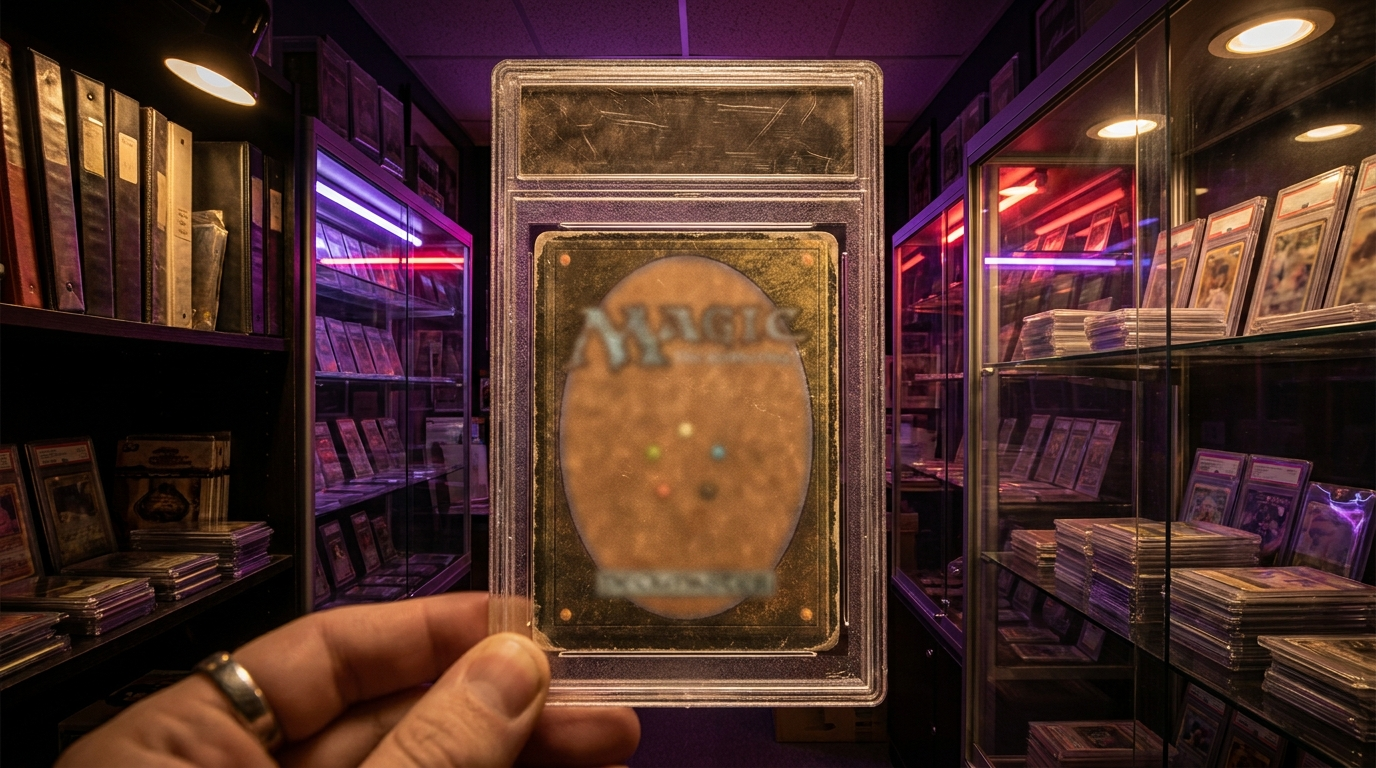
Few phrases in this hobby carry as much weight as first edition Pokémon cards. That little black stamp — easy to miss, endlessly faked, occasionally worth a house deposit — sits at the centre of vintage collecting, and it’s the first thing anyone checks when a childhood collection resurfaces from the loft.
It’s also one of the most misunderstood corners of the hobby. Plenty of people believe every 1999 card is a first edition (they aren’t), that first edition automatically means valuable (it doesn’t), or that the stamp is impossible to fake (it very much isn’t).
This guide sorts fact from folklore: what first edition actually means, how to identify the stamp, where shadowless cards fit in, which first editions are worth real money — and which are worth pennies — plus how to grade and authenticate them safely.
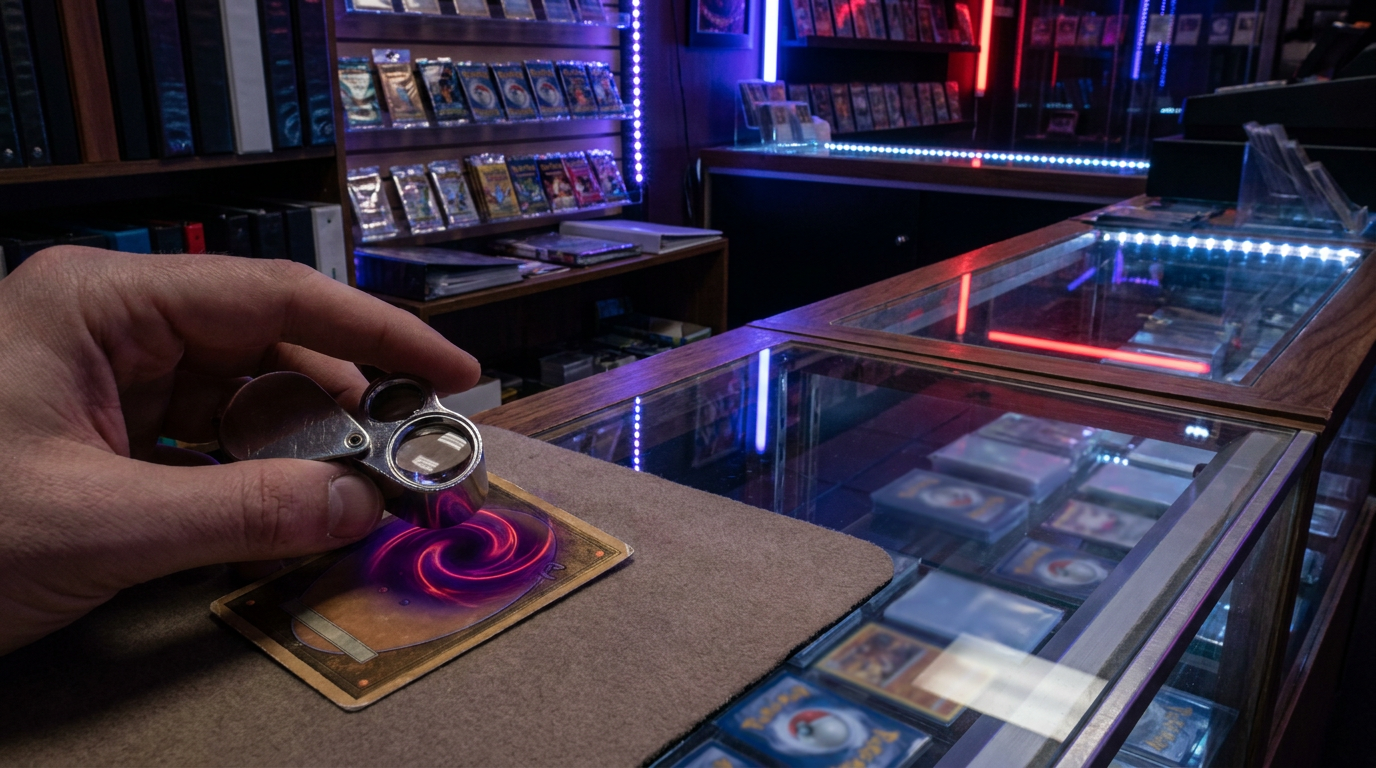
When Wizards of the Coast printed a new set during the early years of the game (1999–2003), the very first print run carried a small ‘Edition 1’ stamp. Once that initial run sold through, subsequent printings — known as unlimited — dropped the stamp and continued for as long as demand lasted. First edition is therefore exactly what it sounds like: proof a card came from the earliest, smallest slice of a set’s total print run.
Scarcity is the whole story. For Base Set in particular, the first edition run was a fraction of what eventually got printed once Pokémania took hold, which is why the same Charizard can differ in value by an order of magnitude depending on the presence of one small stamp. The practice ended with the e-Card era in 2003 — no modern Pokémon card is ‘first edition’, whatever an eBay listing claims. The full printing history is laid out well on Bulbapedia.
On Pokémon cards, the stamp sits on the middle-left of the card, just below the artwork box: a black circular badge reading ‘Edition 1’ with a large numeral 1. On trainer and energy cards from early sets, the position varies slightly but stays on the left side under the art. It’s printed in black ink, crisp-edged, and slightly glossy under angled light.
Things worth knowing before you check a shoebox full of cards:
A jeweller’s loupe or even a decent phone macro shot helps here. Under magnification, a genuine stamp shows clean, solid ink with crisp lettering; added stamps often reveal fuzzy edges, dot patterns from home printing, or ink sitting oddly on top of the card’s surface finish. Compare against verified examples — grading company photo archives and auction listings of slabbed copies are ideal reference material, and they’re free to browse.
Watch outA stamped Base Set card that is not shadowless is a fake. Every genuine first edition Base Set card came from a shadowless print run, so a crisp "Edition 1" badge sitting on a card that has the drop shadow means the stamp was added later.
Base Set adds one more wrinkle: shadowless cards. The earliest Base Set printings — including all first editions — lack the drop shadow along the right edge of the artwork frame that later printings added, and use slightly thinner fonts and softer colouring. So Base Set effectively exists in three tiers:
| Base Set variant | How to spot it | Scarcity |
|---|---|---|
| First edition | "Edition 1" stamp below the artwork on the left, and always shadowless | Rarest — the initial print run only |
| Shadowless | No stamp, but no drop shadow at the right edge of the art frame; thinner fonts, softer colouring | Scarce, and comfortably above unlimited in value |
| Unlimited | Drop shadow present, bolder fonts and more saturated colour | Common — printed in vast quantities |
Shadowless cards are the sleeper here. To an untrained eye they look identical to unlimited copies, but they’re significantly scarcer and sit comfortably above unlimited in value — many a ‘worthless’ loft collection has turned out to contain shadowless copies nobody checked. Flip a card and compare the artwork frame’s right edge against photos of both variants; once you’ve seen the difference, you can’t unsee it.
Other tells back up the frame check: shadowless cards use a noticeably thinner font for the HP text, and their overall colouring runs paler than the saturated look of unlimited printings. No single tell should carry the verdict on its own — check two or three together, especially on holos where the money involved makes certainty worth the extra minute.
Collector’s tipCheck the right edge of the artwork frame before anything else. It takes a second, needs no equipment, and it is the fastest way to separate the genuinely interesting cards in a loft find from the 2000-era unlimited copies that make up the bulk of most British collections.
Time for the honest part. First edition value is wildly uneven:
Condition then multiplies everything. Vintage cards lived hard lives, and the gap between a played copy and a mint one is enormous — our card values guide explains how to price yours properly rather than trusting wishful listings.
A UK-specific note, since we see this weekly: most British childhood collections date from the 2000 boom, which means unlimited Base Set, Jungle and Fossil in played condition — sentimental gold, modest money. But the exceptions are real. Shadowless holos, stamped Neo-era cards and the occasional genuine first edition do surface from lofts, so check before you car-boot anything. Five minutes with a sorted pile has paid for more than one family holiday.
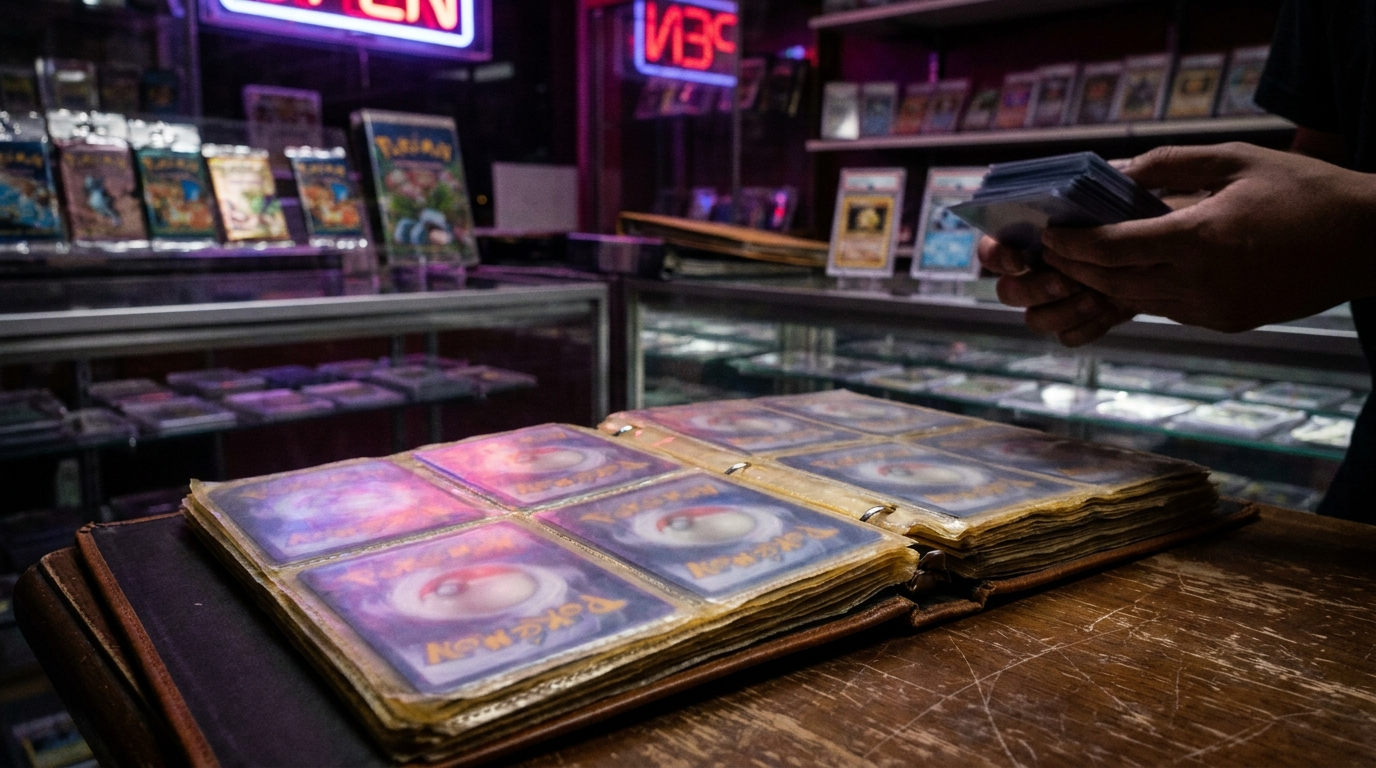
For any first edition holo — and anything shadowless of note — grading is worth serious consideration. A slab does three jobs at once: it authenticates the card and its stamp, locks in a condition assessment, and typically improves saleability. PSA remains the dominant name for vintage Pokémon, and its population reports are a fascinating window into true scarcity — you can see exactly how many copies of a card exist at each grade.
Worth knowing: grading only makes financial sense when the card’s value justifies the fee. A first edition Jungle common in played condition will cost more to grade than it will ever be worth. Run the numbers first — our UK grading guide walks through costs and when they’re justified.
Set expectations on grades, too. Vintage cards were shuffled, rubber-banded and carried in pockets; the overwhelming majority grade in the middle of the scale, and that’s fine — a mid-grade first edition holo is still a lovely, liquid asset. The vanishingly rare top grades are where the eye-watering prices live, and chasing them by regrading average copies is a road to disappointment.
Look on the front, middle-left of the card just below the artwork box, for a small black circular "Edition 1" stamp. It is never on the back.
No. Most British collections from 1999–2000 are unlimited printings, which carry no stamp at all despite the early copyright date.
Shadowless cards lack the drop shadow along the right edge of the artwork frame that later printings added. All first edition Base Set cards are shadowless, but not all shadowless cards are first edition.
No. First edition holos from Base Set and the early sets are genuinely valuable, but first edition commons and uncommons from heavily printed sets are often worth under a pound.
Grading is worth it for first edition holos and notable shadowless cards, where it authenticates the stamp and locks in condition. For played commons, the fee will exceed the card’s value.
Where money goes, fakery follows, and first editions attract two distinct scams. The first is the fake stamp: a counterfeit ‘Edition 1’ badge added to a genuine unlimited card. Check position, size and sharpness against verified photos — and remember that a stamped Base Set card that isn’t shadowless is impossible, since all first edition Base Set cards came from shadowless print runs. The second is the fully counterfeit vintage card, which usually fails the basics: wrong card stock, wrong colours, wrong feel.
Buy significant first editions graded, or from sellers who welcome scrutiny, and lean on the standard authentication checks in our guide to spotting fakes before any raw purchase. If a deal on a stamped Charizard looks too good to be true, it is — that card has been the single most-faked object in the hobby for twenty-five years.
The takeaway: first edition is a printing fact, not a magic word. Learn the stamp, learn shadowless, check condition honestly, and authenticate before you spend — do that, and the vintage end of this hobby is one of its most rewarding corners.
UK card shows explained: how the circuit works, what to expect at your first event, haggling etiquette and how to spot good deals. Meet the hobby.

Pokémon card trading is the best free fun in the hobby — until a bad trade stings. Value trades fairly, avoid scams online and trade with confidence.

Are Pokémon tins worth buying? We break down the tin line-up, mini tins vs full tins, the value maths and when a tin is genuinely the right buy.