
UK Card Shows & Events: Where Collectors Actually Meet
UK card shows explained: how the circuit works, what to expect at your first event, haggling etiquette and how to spot good deals. Meet the hobby.

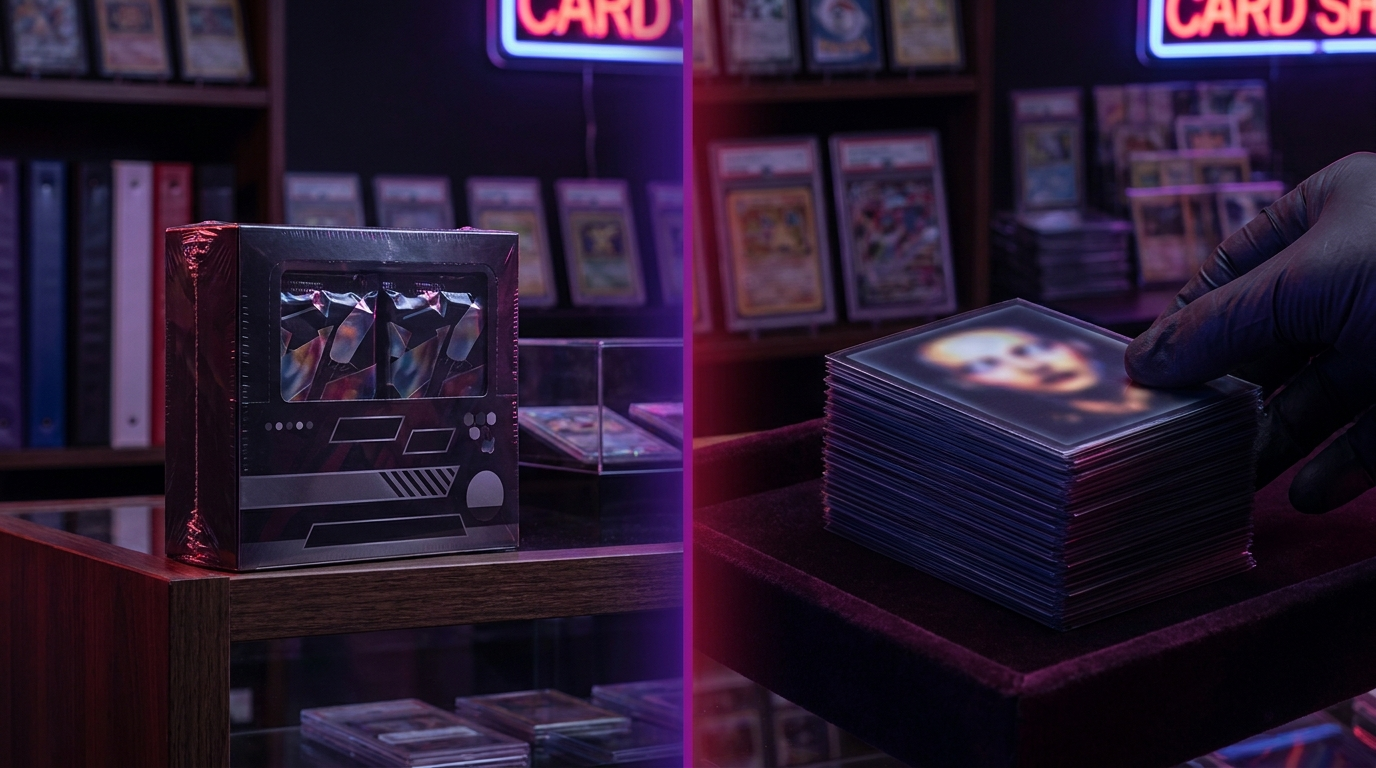
Every collector eventually faces the Pokémon sealed vs singles question: do you buy packs and boxes and let luck decide your collection, or skip the lottery and buy exactly the cards you want? Ask five collectors and you’ll get five confident, contradictory answers.
Here’s ours, upfront: both are right, for different jobs. Sealed and singles are different products that happen to contain the same cards — one sells an experience with cards attached, the other sells cards with no experience attached. Once you see it that way, deciding which to buy for any given goal becomes easy. Let’s break down when each wins, and finish with real maths on a worked example.
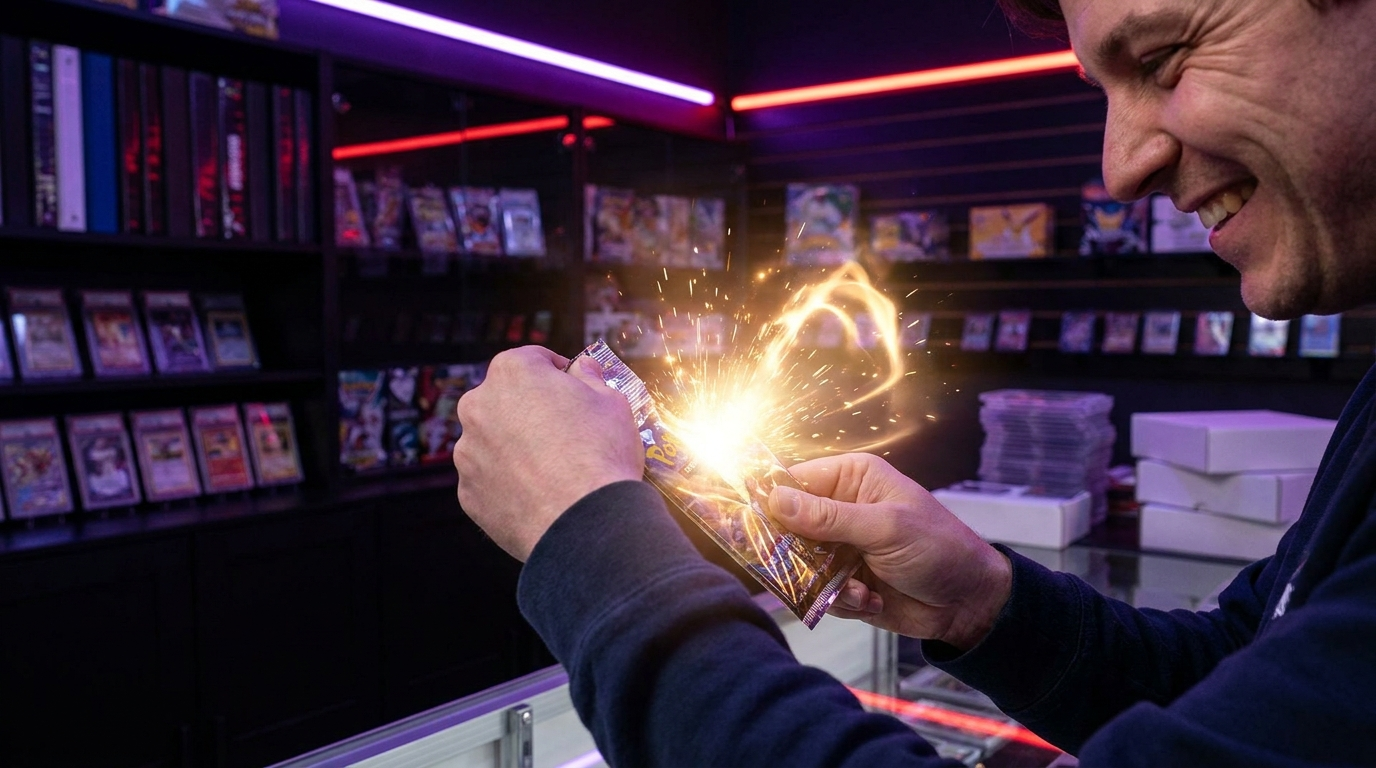
Opening packs is genuinely brilliant. The foil, the flick through commons, the pause before the hit slot — it’s the closest thing the hobby has to a ritual, and it’s most people’s doorway into collecting. We’d never tell you to stop.
But be clear-eyed about the economics: on average, the cards inside a booster pack are worth less on the singles market than the pack costs. They have to be — the difference funds the shops, the distribution and the lottery thrill itself. We call the gap the joy tax: the premium you pay for the experience of opening rather than the cards themselves. Typical modern sets return perhaps half to three-quarters of a box’s cost in singles value on an average rip, though it varies set to set — our pull rates guide shows why the averages hide big swings.
The joy tax isn’t a scam; it’s the price of fun. The mistake is paying it while telling yourself you’re buying cards efficiently.
The other thing sealed sells is variance. That half-to-three-quarters figure is an average across many boxes; any individual box can massively over- or under-deliver. One box pays for itself with a monster pull, the next three don’t — and human memory keeps the highlight reel while quietly deleting the duds. If you’ve ever wondered why pack-opening feels more profitable than it is, that’s the mechanism. Averages are boring and honest; single boxes are exciting and misleading.
Sealed is the right call more often than the maths above suggests:
One important qualifier: the sealed case works at fair prices, not at any price. A box bought at RRP from a proper shop and a box panic-bought at double the price from a marketplace scalper are financially different products, even though the cardboard is identical. If a set is sold out everywhere and aftermarket prices have spiked, the correct sealed play is almost always patience — reprints and restock waves have rescued RRP buyers and punished peak-price buyers over and over again.
Watch outLoose boosters and resealed boxes are the sealed market’s oldest scam. Packs can be weighed so the hits are removed before resale, and shrink-wrap is easy to fake convincingly. Buy sealed product from shops supplied through proper distribution, and treat a marketplace bargain on a hyped box as the warning sign it usually is.
Flip it around, and singles are unbeatable when:
Collector’s tipIf you can name the card you are hoping to pull, you should be buying it as a single instead. The moment a specific card enters your head, packs stop being entertainment and start being an expensive way to shop.
| Your goal | Better buy | Why |
|---|---|---|
| One specific chase card | Singles | You pay once rather than gambling repeatedly at worse odds |
| Completing a set | Singles | The last cards of any set are always cheaper bought than pulled |
| A great evening in | Sealed | Judged as entertainment rather than shopping, a box is decent value |
| Broad coverage of a new set | Sealed | A box delivers most of the commons, uncommons and a spread of hits at once |
| Holding long term | Sealed | Supply only shrinks over time — but this works at fair prices, not peak ones |
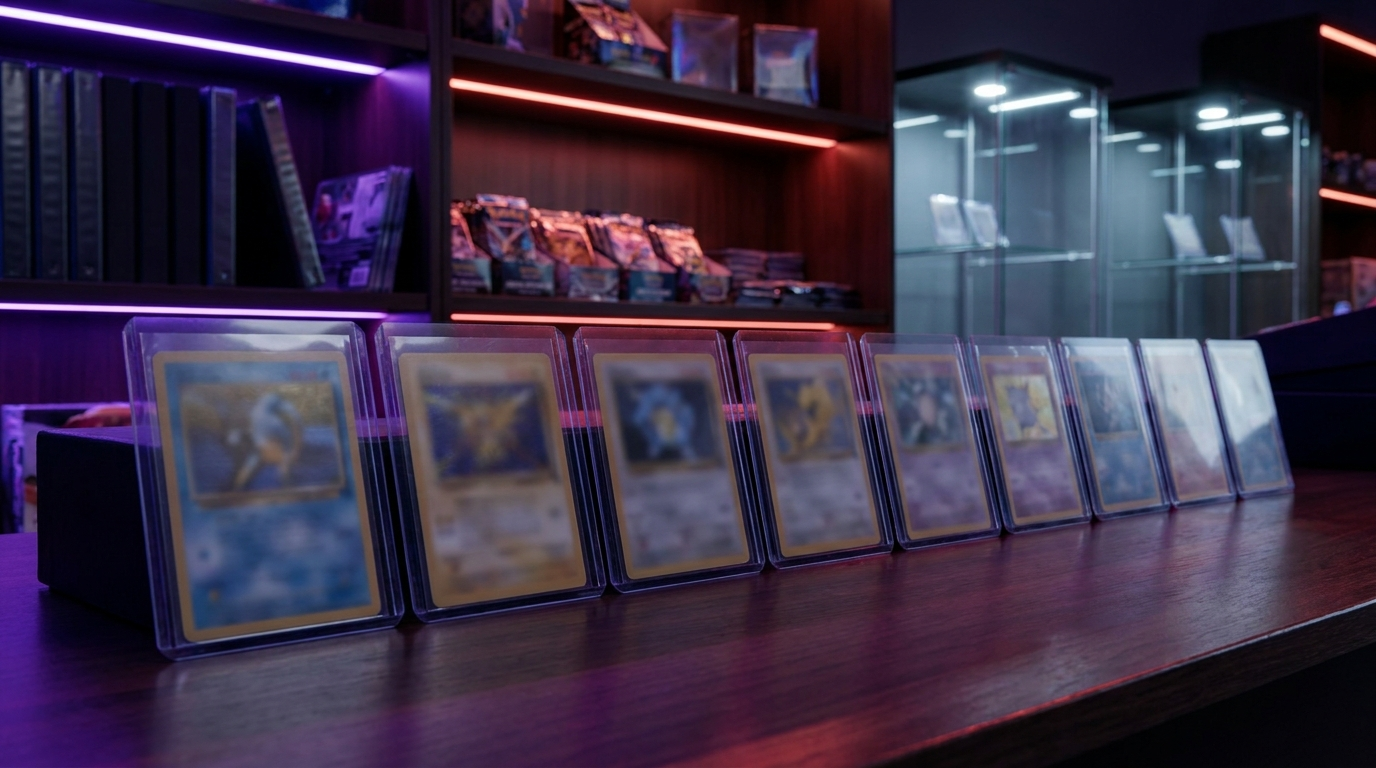
Say a current set’s booster box costs around £130, and you’re in it for one chase SIR that sells for roughly £60, with box odds of pulling some SIR at maybe one or two per box — but a dozen SIRs share that slot, so your specific card is far from guaranteed even across several boxes.
The singles buyer spends £60 and owns the card, condition-checked, today. The sealed buyer spends £130 for perhaps a one-in-six-ish shot at that exact card, plus a pile of other cards worth maybe £70–£90 on average. Chasing the specific card to near-certainty through sealed could easily run £500+. To verify numbers like these for any real set, check current sold prices on TCGplayer and completed listings on eBay — the pattern holds almost every time: for a named card, singles win by a mile; for a broad collection plus a great evening, sealed holds its own.
Run the same comparison for set completion and the gap is even starker. Completing a modern set’s base cards plus the mid-tier hits through packs alone typically means opening several boxes and still buying the stragglers — hundreds of pounds and a mountain of duplicate bulk. A disciplined singles approach — buy the base set as a lot, pick up hits individually as prices settle — routinely completes the same set for a fraction of the cost. Pack openers finish with a story; singles buyers finish with change.
Singles, almost always, if you know which cards you want. A box typically returns half to three-quarters of its cost in singles value, so buying directly converts far more of your money into cards you actually wanted.
Sealed is the one part of the hobby where supply reliably shrinks, which has helped older boxes age well. It only works at fair prices though — paying double at the peak of a hype cycle has punished buyers repeatedly.
Roughly half to three-quarters of its price on an average rip for most modern sets, with big variance box to box. One monster pull can beat that; three flat boxes in a row are just as possible.
Open it if you want the cards and the evening. Keep it sealed only if you would genuinely be happy never opening it — and only if you bought it at a fair price rather than an aftermarket one.
Buy the base cards as a bulk lot and pick up the hits individually once release hype settles. Completing a set through packs alone means several boxes, a mountain of duplicates, and still buying the stragglers.
Most seasoned collectors we know settle into the same shape, and it’s what we’d recommend:
The takeaway: sealed buys joy and breadth, singles buy precision and value — and the smartest collection uses both on purpose. When you’re ready for either, you’ll find fairly priced booster boxes and the rest of the range in our shop, with 10 loyalty points per £1 whichever side of the debate you land on.
UK card shows explained: how the circuit works, what to expect at your first event, haggling etiquette and how to spot good deals. Meet the hobby.
Pokémon card trading is the best free fun in the hobby — until a bad trade stings. Value trades fairly, avoid scams online and trade with confidence.
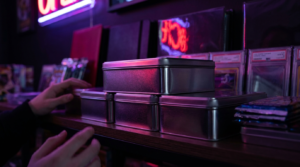
Are Pokémon tins worth buying? We break down the tin line-up, mini tins vs full tins, the value maths and when a tin is genuinely the right buy.