
UK Card Shows & Events: Where Collectors Actually Meet
UK card shows explained: how the circuit works, what to expect at your first event, haggling etiquette and how to spot good deals. Meet the hobby.

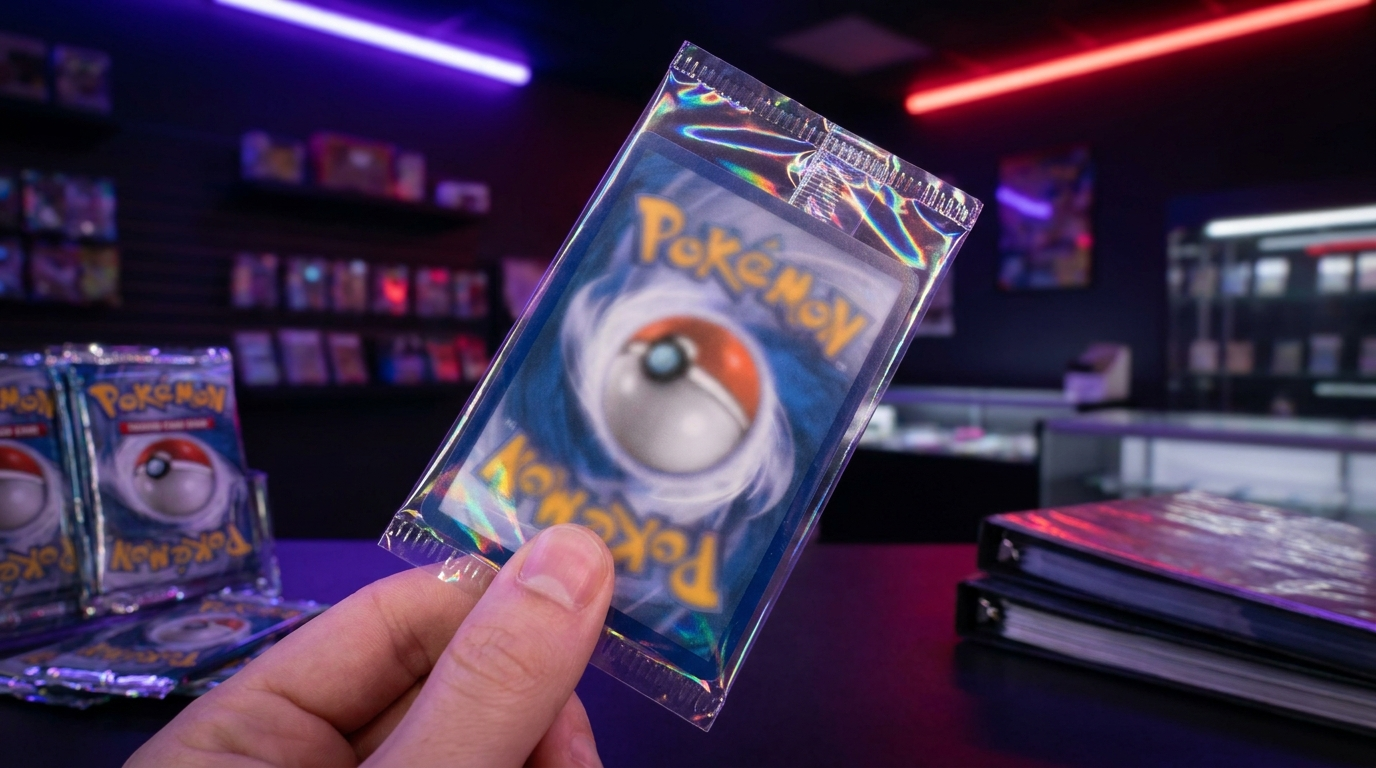
Sleeves are the cheapest insurance in this hobby, yet ‘what are the best Pokémon card sleeves?’ generates more confusion than almost any beginner question. Penny sleeves, perfect fits, inner sleeves, outer sleeves, matte, gloss, side-load, art sleeves — the wall of options at any shop is genuinely bewildering.
The good news: underneath the marketing there are only four kinds of sleeve that matter, and choosing between them takes about two minutes once someone explains the system.
So here’s the system — which sleeve for which card, when to double up, and where sleeves fit alongside binders and toploaders in a proper storage setup.
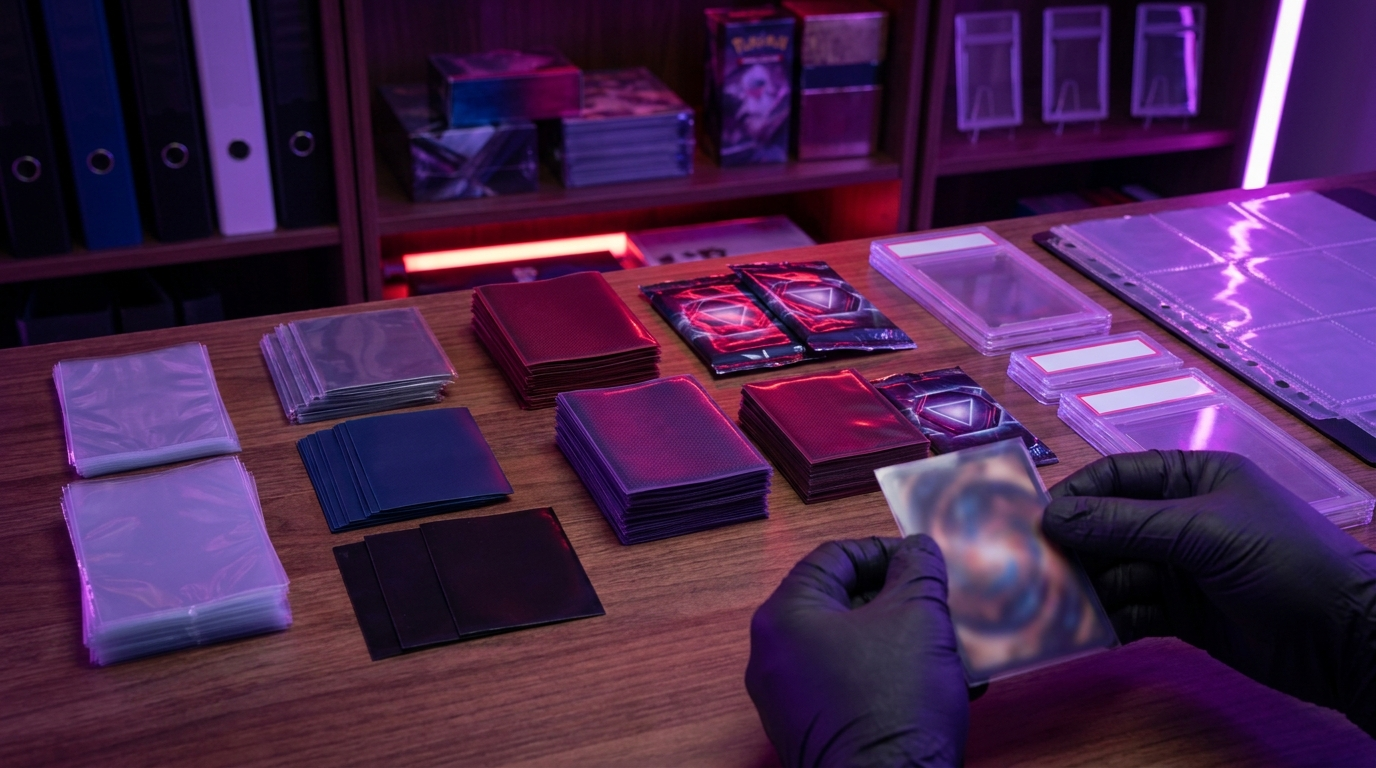
Think of sleeves as a pyramid matched to card value:
| Sleeve type | What it does | Use it for |
|---|---|---|
| Penny sleeves | Thin, cheap, sold in hundreds | Bulk rares, trades and anything worth a few pounds |
| Perfect fits (inner sleeves) | Cut to hug the card exactly, designed to sit inside another sleeve | The first layer of any double-sleeved card |
| Standard premium sleeves | Thicker, more rigid, consistent sizing — the Dragon Shield/KMC/Ultra Pro tier | Binder collections and decks you handle often |
| Speciality sleeves | Side-loading binder sleeves, oversized “jumbo” sleeves, graded-slab bags | Binder pages, oversized promos and slabs |
Every card in your collection worth protecting should live somewhere on that pyramid. The question is only which tier — and the card’s value answers it. Not sure what a card’s worth? A quick check on TCGplayer or eBay sold listings settles it in seconds.
Watch outPokémon cards are standard size (roughly 63 × 88 mm), so you want ‘standard’ sleeves — not the ‘Japanese’/small size made for games like Yu-Gi-Oh!. Buying the wrong size is the single most common mistake we see. Standard sleeves run slightly larger than the card by design; perfect fits are the ones cut to hug it exactly.
A penny sleeve costs roughly a penny and stops the three things that ruin most cards: surface scratches, fingerprint grease and edge scuffs from handling. For bulk rares, commons you’re trading, and anything under a few pounds, a penny sleeve is genuinely all you need — premium sleeves add nothing those cards will ever notice.
Premium sleeves earn their price through thickness (better corner protection), consistency (uniform sizing, no loose baggy fits) and durability (they don’t split with repeated use). They’re the right call for cards you handle often, binder collections you flick through, and anything you’d wince about damaging. The price difference across brands is small; the difference between using them and not using them is everything.
Two buying tips that save money over time. First, buy sleeves in bulk once you know what you like — per-sleeve cost drops sharply, and running out is how cards end up ‘temporarily’ unprotected for six months. Second, replace sleeves when they cloud, split or grip dust; a scratched sleeve grinding against a holo surface does more harm over a year than most handling. Sleeves are consumables, not heirlooms — the card is the heirloom.
Collector’s tipSleeve the card the moment you pull it. More value is lost in the thirty seconds of excited fumbling after a big pull than in years of storage.
Double sleeving is the standard for cards that matter: a perfect fit sleeve goes on first — many collectors insert the card upside down so the sleeve’s opening faces down inside the outer sleeve — then a standard sleeve over the top. The result is a sealed pocket: no dust ingress, no card sliding, no micro-scratching from movement.
Why bother? Because the damage that quietly downgrades cards — hairline surface scratches, edge whitening from sliding, dust trapped against the holo layer — happens slowly and invisibly inside single sleeves. By the time you can see it, it’s permanent, and the difference between grades is worth real money on good cards. Our guide to card condition shows exactly what graders and buyers look for; double sleeving is simply the cheapest way to make sure they never find it.
When is it worth it? Our rough rule: double sleeve anything you’d be upset to lose, and anything you might one day grade — graders reward surfaces kept genuinely pristine, and grading services like PSA are unforgiving about surface wear that a well-sealed card would never have picked up. For submission day itself, note that graders usually ask for cards in a penny sleeve inside a semi-rigid holder rather than your full display setup — check the current requirements before you ship.
The destination changes the choice:
Sleeves are one layer of a system rather than the whole answer — our guide on how to store Pokémon cards covers how sleeves, toploaders, binders and environment fit together.
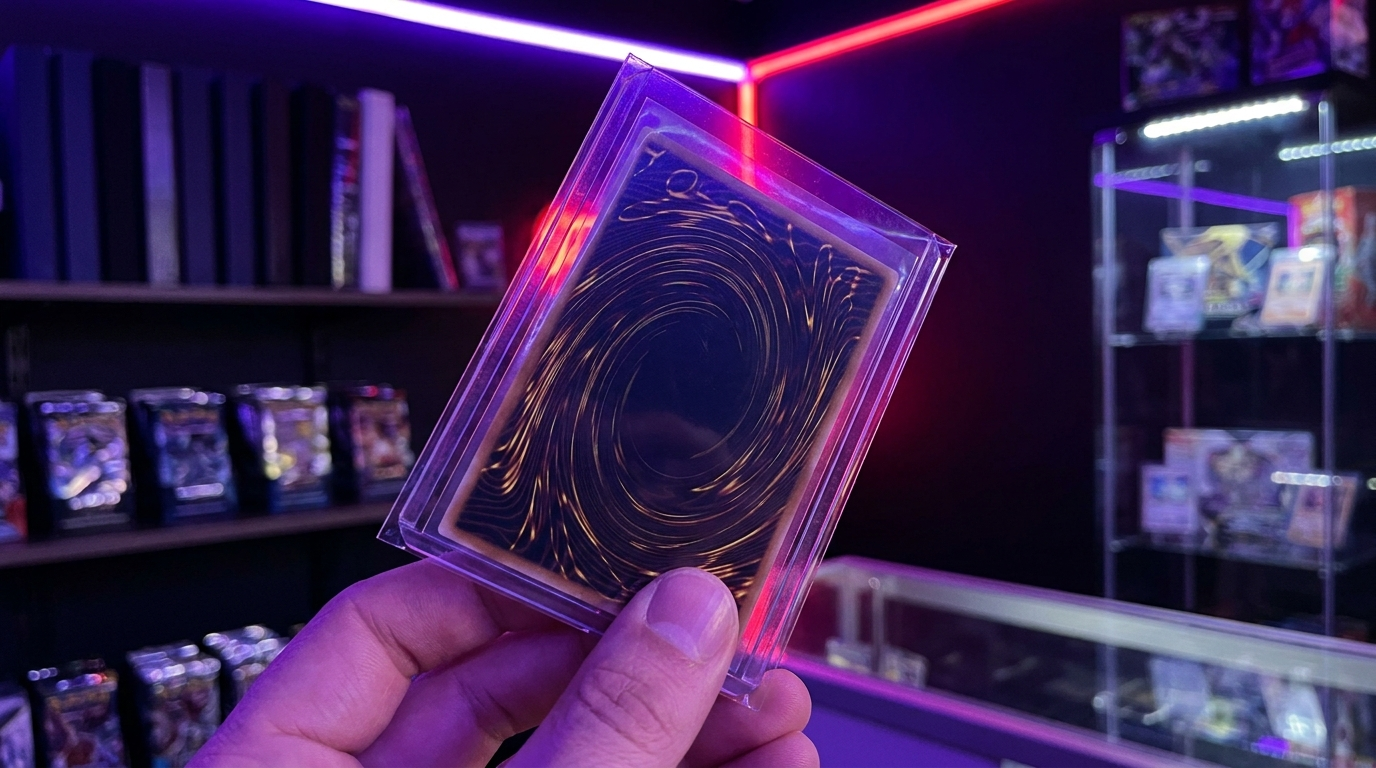
If you actually play the game, priorities flip: you need opaque backs (transparent sleeves on marked-back cards can be tournament-illegal), matte texture for shuffling, and enough spares to replace splits mid-event — judges take damaged sleeves seriously. Buy two identical packs of a tournament-grade brand so your replacements match, and re-sleeve the deck every few months of regular play. Card protection is almost a side effect here; consistency is the point. Many players double sleeve their decks too — perfect fits under the play sleeves — which keeps expensive deck staples near mint through a whole season of shuffling and costs a few pounds extra at most.
Standard size, for cards of roughly 63 × 88 mm. The smaller “Japanese” size sold for games like Yu-Gi-Oh! will not fit.
Only for cards you would be upset to lose or might one day grade. A perfect fit inside a standard sleeve seals out dust and stops the micro-scratching that quietly downgrades cards.
For bulk rares, trades and anything worth a few pounds, yes — they stop scratches, fingerprint grease and edge scuffs, which is most of the damage cards ever suffer.
Usually a penny sleeve inside a semi-rigid holder rather than your full display setup. Check the current submission requirements before you ship.
When they cloud, split or start gripping dust. A scratched sleeve grinding against a holo surface does more harm over a year than most handling.
The short version: penny sleeves for bulk, premium sleeves for binders and play, perfect fits underneath for anything precious, and sleeve immediately — always. You can pick up sleeves and the rest of your protection kit from us at fair prices, and every £1 earns 10 loyalty points towards the next lot. Cheap insurance, sorted.
UK card shows explained: how the circuit works, what to expect at your first event, haggling etiquette and how to spot good deals. Meet the hobby.

Pokémon card trading is the best free fun in the hobby — until a bad trade stings. Value trades fairly, avoid scams online and trade with confidence.

Are Pokémon tins worth buying? We break down the tin line-up, mini tins vs full tins, the value maths and when a tin is genuinely the right buy.