
UK Card Shows & Events: Where Collectors Actually Meet
UK card shows explained: how the circuit works, what to expect at your first event, haggling etiquette and how to spot good deals. Meet the hobby.

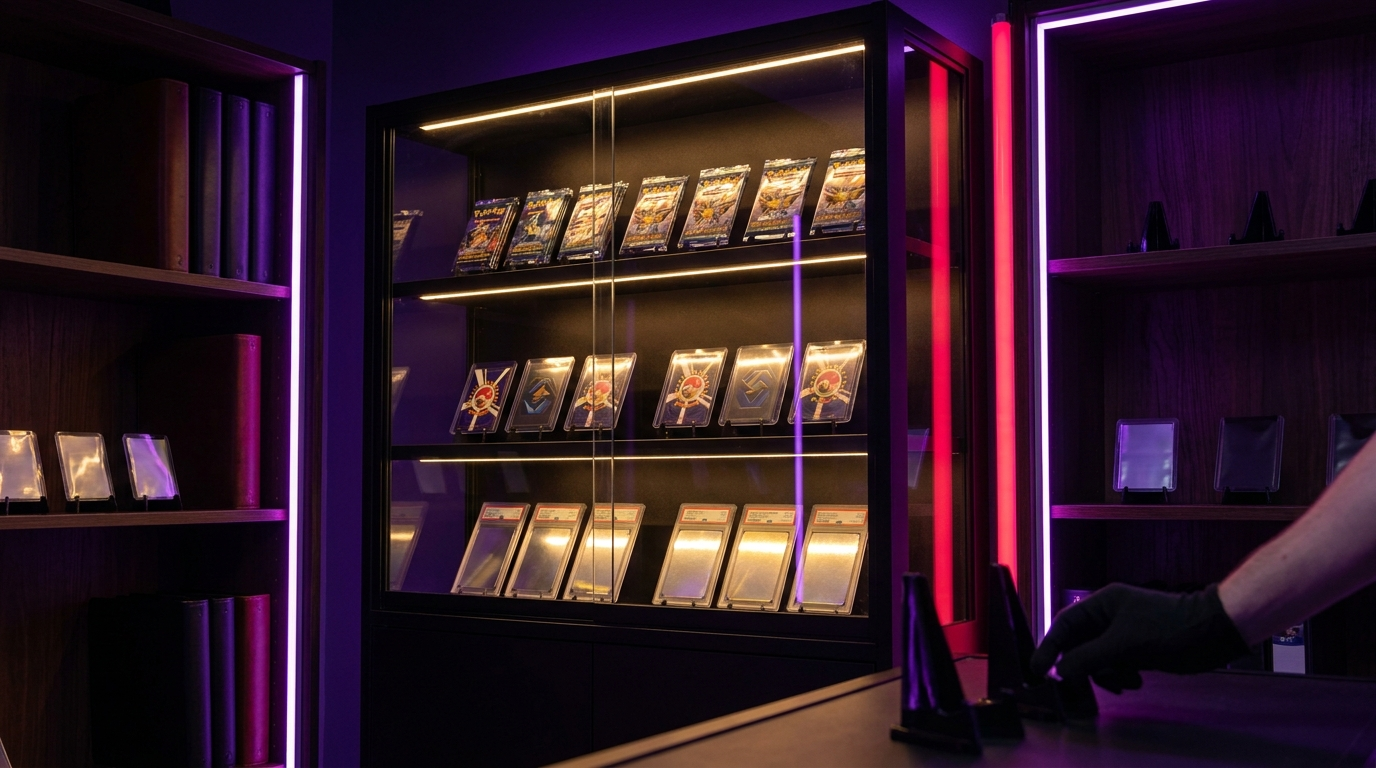
Every collector eventually meets a card that does not fit the normal rules — a number bigger than the set size, a sparkle pattern nothing else in the set has, a gold Energy that seems to have wandered in from another game. Welcome to the strange end of rarity. The Pokémon shiny vault, secret rares, gold cards and rainbow finishes form a parallel world of chase cards with their own logic, their own eras and some genuinely odd pricing.
This guide untangles it: what the Shiny Vault actually was, how secret rares have evolved era by era, why some ‘ultra rare’ cards stay stubbornly cheap, and which overlooked corners quietly reward collectors who know what they are looking at.
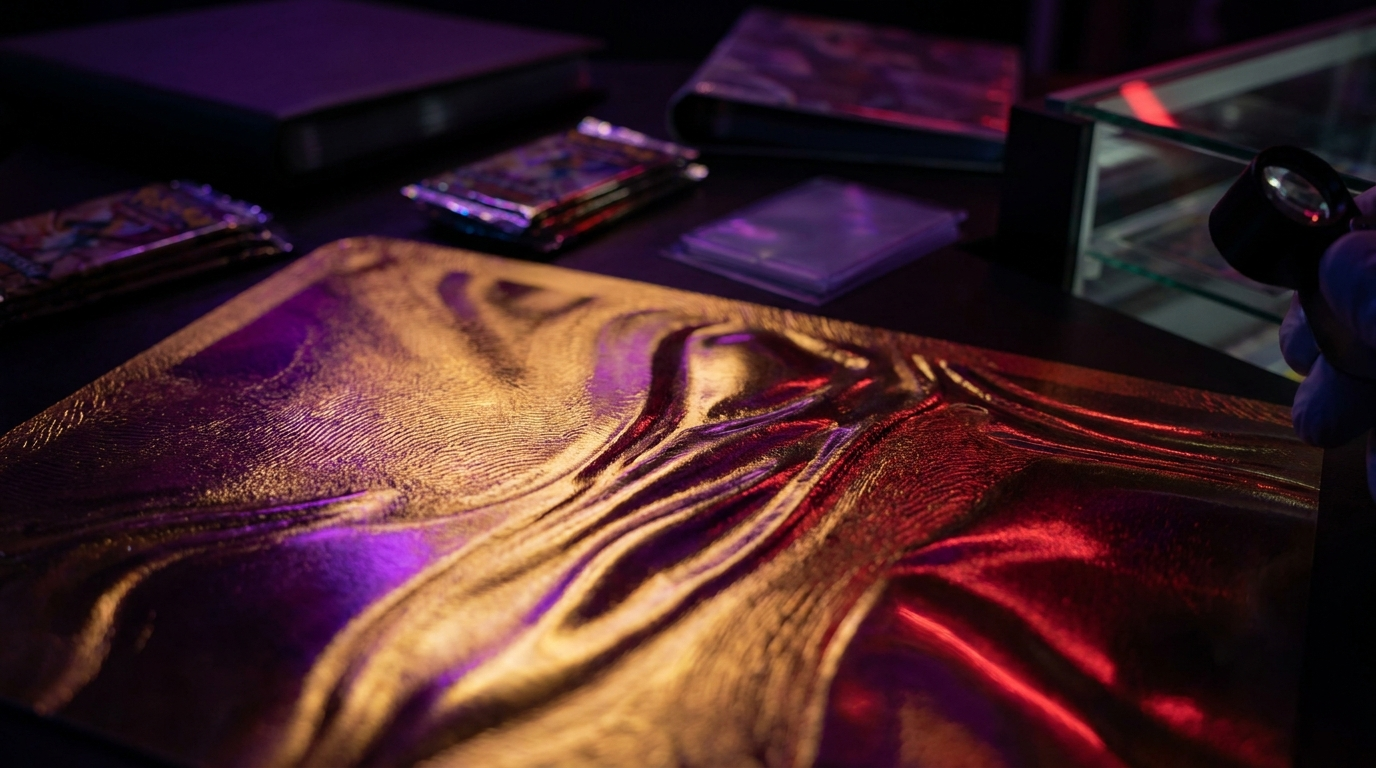
The Shiny Vault was a special subset attached to the Sun & Moon era sets Hidden Fates (2019) and Shining Fates (2021). Mechanically, Shiny Vault cards were numbered outside the main set with an SV prefix — SV1, SV2 and so on — and featured Shiny Pokémon: the alternate colourations fans know from the video games, printed on a distinctive sparkle-foil background.
Two things made the Vault special. First, concentration: an entire subset devoted to Shinies, including fan favourites like Charizard, made both sets event releases. Second, the affectionate nickname ‘baby shinies’ — the Vault’s regular-sized Shiny Pokémon on that sparkle background, beloved for looking adorable rather than imposing. Hidden Fates in particular became one of the most sought-after modern sets, with its Shiny Charizard-GX still an icon of the era. The concept later echoed in Scarlet & Violet’s Paldean Fates, which revived the shiny-subset formula for a new generation. For full checklists of these subsets, Bulbapedia remains the reference we reach for.
It is worth understanding why the Vault sets hit so hard commercially. Neither Hidden Fates nor Shining Fates was a standard expansion — both were special sets sold only through products like tins, pin collections and Elite Trainer Boxes rather than ordinary booster boxes. That distribution model concentrated demand onto a handful of products, and Hidden Fates ETBs in particular became notorious for selling out and reappearing at multiples of RRP. The lesson stuck: when a beloved subset meets a restricted product line, scarcity does the rest.
A secret rare is simply a card whose collector number exceeds the printed set size — card 195/185, say. The ‘secret’ is that the set contains more cards than the box tells you. What fills those secret slots has changed dramatically over time:
| Era | What filled the secret slots | Collector note |
|---|---|---|
| Neo, e-Card and EX | Shining Pokémon, crystal types, gold star Pokémon | Genuinely scarce, and now classic vintage chases |
| Black & White and XY | Gold-bordered items, shiny full arts, hyper-scarce mascots | Where gold became the summit of the ladder |
| Sun & Moon | Rainbow rares, gold items, the Shiny Vault experiment | Rainbows divided opinion from day one |
| Sword & Shield | Rainbows, golds and alt arts — past 80 secrets in some sets | Peak bloat; being ‘secret’ stopped meaning much |
| Scarlet & Violet onwards | Special Illustration Rares and gold-etched hyper rares | Rainbows retired; texture became the premium |
If you want the full modern ladder — illustration rares, SIRs and friends — our guide to alt arts and Special Illustration Rares picks up exactly where this one leaves off.
The finishes themselves tell you a lot about desirability. Gold cards — Pokémon, items and Energies rendered in etched gold foil — have been the traditional summit of a set’s rarity ladder, and the texture work on modern gold hyper rares is genuinely lovely in hand. Rainbow rares divided opinion from day one: some collectors adored the pastel wash, others felt it flattened the artwork, and that split personality still shows in their prices. Textured finishes — the embossed patterning on modern ultra rares and SIRs — are now arguably the biggest driver of that premium feel, which is why texture differences are among the first things checked when authenticating high-end cards.
Handling these finishes teaches you things photographs cannot. Gold etching catches light differently from rainbow gloss; textured SIR embossing follows the artwork’s contours rather than a generic pattern; sparkle foil from the Pokémon Shiny Vault era has a granular glitter quite unlike standard holofoil. Spend time with genuine examples of each and you will develop the collector’s most useful sense — the instant, wordless feeling that a card in your hand is right or wrong — which pays off every time you buy raw high-end cards.
Watch outGold and rainbow finishes are the ones counterfeiters attempt most often, because the shine distracts the eye from a poor print. If you are buying an expensive secret rare raw, you are the authenticator — so either learn the texture and foil-grain tells first, or buy it graded, or buy from a shop that will take it back.
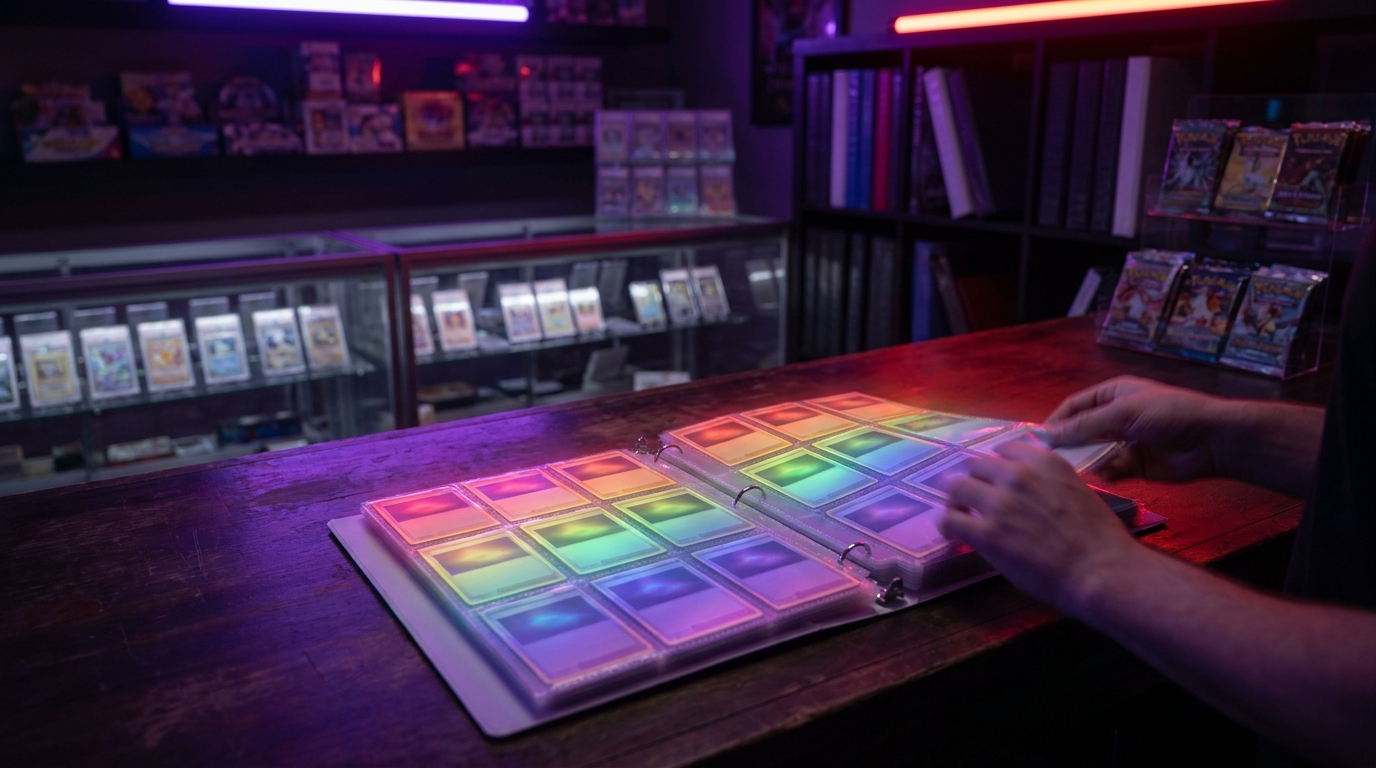
Here is the counterintuitive part: plenty of secret rares are worth less than common-looking cards from the same set. A few reasons why:
Collector’s tipRarity sets the floor, demand sets the price. Before assuming a secret rare is valuable, ask who actually wants that Pokémon — then check what copies really sell for on TCGplayer.
The flipside is also true: when demand does arrive, thin supply makes these corners move fast. A secret rare nobody wanted for years can double on a single wave of nostalgia, precisely because so few copies were ever pulled and even fewer were kept nice.
The fun of the weird corners is that inattention creates opportunity. Unpopular-era rainbows of genuinely beloved characters, gold items with unique artwork, early Pokémon Shiny Vault pulls of Pokémon that later got popular, oddball secret Trainers with striking art — these are the cards that drift along cheaply until the hobby’s attention circles back. We would never promise any card will rise, and buying purely to speculate is a mug’s game; but if a strange old secret rare makes you smile, cheerful obscurity is exactly the right time to add it to the binder.
A special subset attached to Hidden Fates (2019) and Shining Fates (2021), made up entirely of Shiny Pokémon printed on a distinctive sparkle foil and numbered outside the main set.
It marks a Shiny Vault card — SV1, SV2 and so on — which sits outside the main set numbering. It is not related to the Scarlet & Violet abbreviation you will also see used for that era.
Its collector number is higher than the printed set size, so a card numbered 195/185 is a secret rare. The set simply contains more cards than the official count admits.
No, and this catches people out constantly. Rarity sets the floor but demand sets the price, so a gold Energy can be among the rarest cards in a set and still sell for a couple of pounds while a popular Pokémon on a common finish sells for far more.
Not in current sets. Rainbows were retired when Scarlet & Violet reset the rarity ladder, with Special Illustration Rares and gold-etched hyper rares taking the top slots instead.
The takeaway: the weird corners of rarity reward knowledge, not budget — know what the SV numbering means, why finishes matter and where demand actually lives, and you will spot value everyone else scrolls past. New sets keep adding strange treasures, and we stock them from day one — have a browse of the latest Pokémon range and see what oddities catch your eye.
UK card shows explained: how the circuit works, what to expect at your first event, haggling etiquette and how to spot good deals. Meet the hobby.

Pokémon card trading is the best free fun in the hobby — until a bad trade stings. Value trades fairly, avoid scams online and trade with confidence.

Are Pokémon tins worth buying? We break down the tin line-up, mini tins vs full tins, the value maths and when a tin is genuinely the right buy.